
acid etch tempered glass
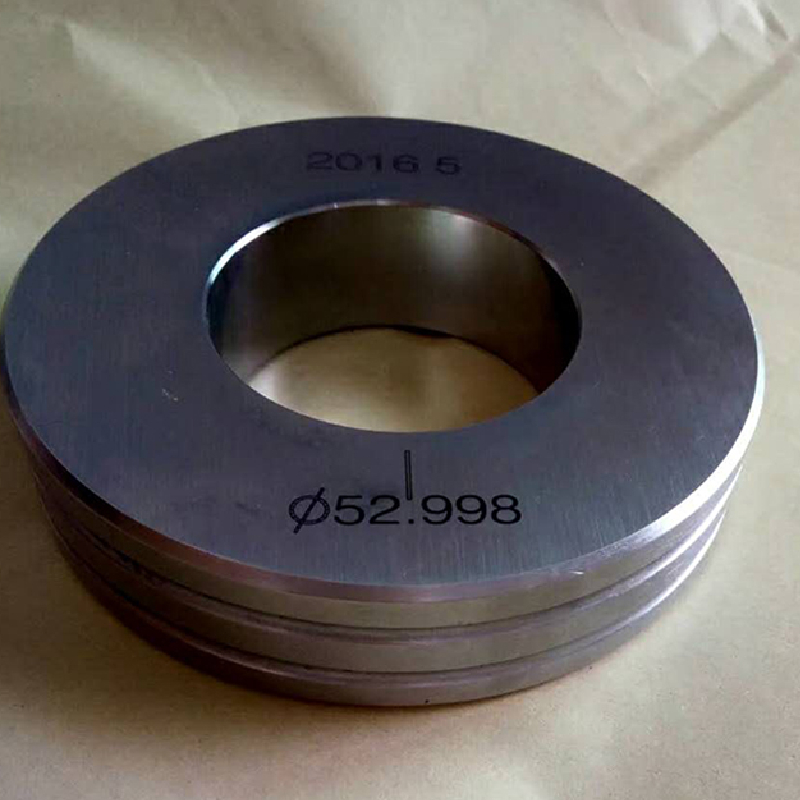
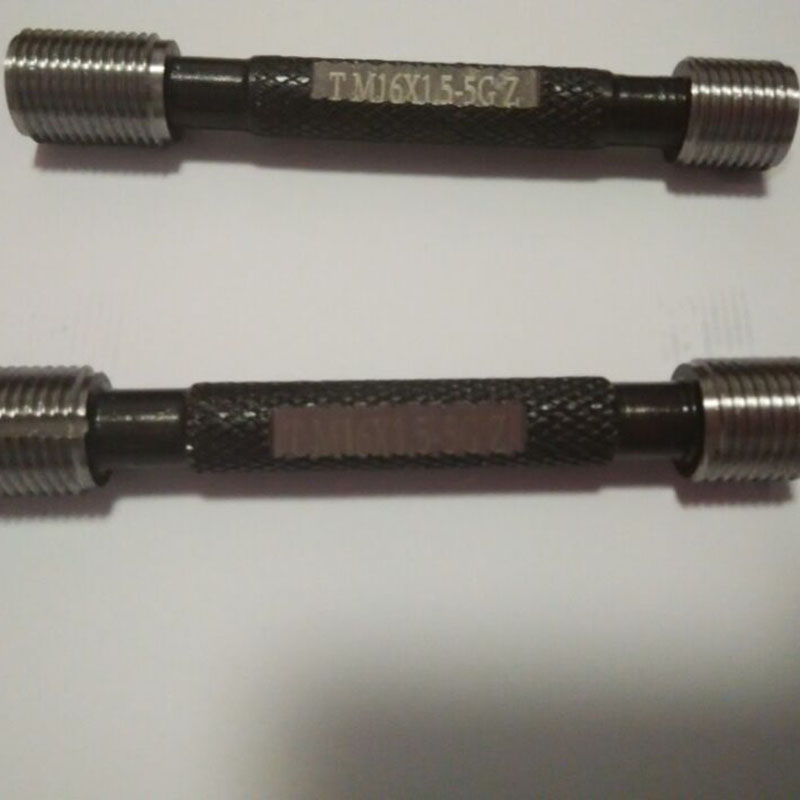
Understanding Thread Go/No-Go Gauges An Essential Tool for Quality Control In the fields of manufacturing and engineering, precise measurement is crucial for ensuring that components fit together properly and function as intended. One of the key tools in this realm is the thread go/no-go gauge, a simple yet highly effective device used to inspect threaded parts. This article will delve into the purpose, design, and importance of these gauges in maintaining quality control. What is a Thread Go/No-Go Gauge? A thread go/no-go gauge is a measuring tool designed to verify the proper dimensions and tolerances of threaded features. It consists of two parts a go gauge and a no-go gauge. The go gauge is used to check the maximum allowable size of the thread, while the no-go gauge checks the minimum allowable size. Together, they help ensure that the threaded part meets the specified standards and can achieve a proper fit with corresponding components. Purpose and Functionality The primary purpose of a go/no-go gauge is to facilitate a quick and reliable inspection process. By using these gauges, manufacturers can efficiently determine whether a threaded part is acceptable for use. During production, threads may be subjected to various factors that can lead to errors—such as wear, tool damage, or improper machining. The go/no-go gauge serves as a definitive testing method, enabling engineers and quality control inspectors to identify parts that fall outside permissible limits. When a part passes the go gauge, it indicates that the thread is within the maximum size limit, meaning it can be assembled with the mating part. Conversely, if a part fails the no-go gauge, it indicates that the thread is larger than the minimum size limit, which could lead to improper fitting or function. Design and Features thread go nogo gauge The design of thread go/no-go gauges can vary depending on the specific application, including the type of thread (e.g., metric or imperial) and the size range being measured. These gauges are often made from high-quality materials, such as hardened steel, to withstand wear and maintain precise dimensions over time. Many modern gauges also incorporate ergonomic features, making them easier to handle and use in production environments. Additionally, some gauges can be designed with a built-in indicator to provide further feedback to the operator, ensuring that the measuring process is both efficient and accurate. Importance in Quality Control Implementing go/no-go gauges in manufacturing processes is critical for quality control. Inaccurate threads can lead to assembly failures, decreased product performance, and ultimately dissatisfied customers. By using these gauges, manufacturers can detect issues before parts are assembled into final products, reducing the risk of costly recalls or repairs. Moreover, go/no-go gauges can help ensure compliance with industry standards and regulations. Many sectors, such as aerospace and automotive, require exact specifications to ensure safety and reliability. Regular use of these gauges can assist companies in maintaining certification and demonstrating their commitment to quality. Conclusion Thread go/no-go gauges are indispensable tools in the manufacturing and engineering sectors. Their simple design and effective functionality provide a reliable method for ensuring that threaded parts meet critical specifications. By integrating these gauges into quality control procedures, manufacturers can enhance product reliability, improve operational efficiency, and ultimately deliver superior products to their customers. As industries continue to evolve, the importance of precise measurements and quality assurance will remain paramount, making thread go/no-go gauges relevant for years to come.
about
acid etch tempered glass
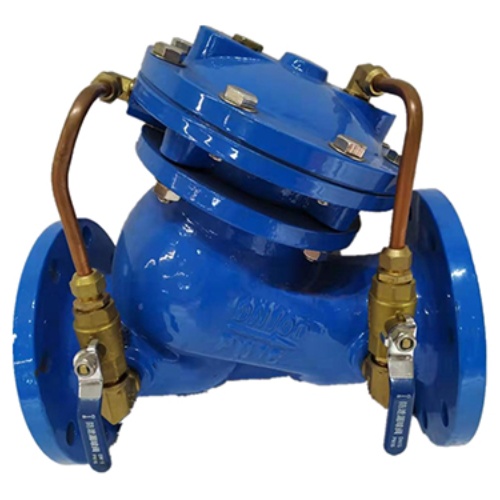
The Importance of Water Valves in Modern Infrastructure Water valves play a crucial role in the management and distribution of water, one of the most essential resources for life. Among the various types of valves used in plumbing systems, the 1% 201 2% water valve is a noteworthy example, offering a range of applications that enhance efficiency and reliability. Understanding the significance of these valves can provide insight into their impact on modern infrastructure and daily life. The Functionality of Water Valves At their core, water valves are devices that control the flow of water within a piping system. They can be used to start, stop, or modulate the water flow, making them integral to various applications, from residential plumbing to large-scale industrial systems. The 1% 201 2% water valve is specifically designed with features that facilitate precise flow control. These valves are constructed to handle different pressures, temperatures, and water quality conditions, making them versatile options for numerous environments. Their primary function is to regulate water distribution in a way that maximizes efficiency while minimizing waste. Applications in Infrastructure One of the primary applications of the 1% 201 2% water valve is in municipal water supply systems. These valves are used to manage the flow of potable water from treatment plants to homes and businesses. By ensuring that water is delivered efficiently, these valves help maintain a steady supply, which is critical for communities. 1 1 2 water valve Moreover, in irrigation systems, water valves play a vital role in agriculture. The 1% 201 2% water valve can automate the distribution of water to crops, ensuring that plants receive the appropriate amount of water without over- or under-irrigation. This capability not only conserves water but also enhances crop yields, contributing to food security. In industrial settings, these valves help manage water in manufacturing processes, cooling systems, and waste treatment plants. By regulating water flow, they ensure that operations run smoothly and safely. The ability to control water presence and pressure is particularly important in preventing damages and ensuring compliance with environmental regulations. Benefits of Using Efficient Water Valves The adoption of advanced water valves like the 1% 201 2% valve offers several benefits. One of the primary advantages is efficiency. By optimizing water flow, these valves reduce waste and energy consumption. For instance, they can help lower water bills for households and businesses, making their use economically appealing. Additionally, efficient water management contributes significantly to environmental sustainability. In a world where water scarcity is becoming increasingly prevalent, using valves that can enhance water conservation is essential. By minimizing leaks and ensuring that water is used where needed, these valves support efforts to protect this precious resource. Conclusion In conclusion, the 1% 201 2% water valve exemplifies the critical role that water valves play in contemporary infrastructure. From municipal supply systems to irrigation and industrial processes, these valves ensure the efficient and effective management of water resources. Their ability to control flow not only promotes economic savings but also advances sustainability efforts in a world where water is becoming a precious commodity. As we continue to navigate the challenges presented by climate change and population growth, the importance of such mechanisms in maintaining our water systems cannot be overstated. Investing in quality water valves is investing in a sustainable future for generations to come.
-

High quality industrial productsagement

High quality industrial products
View Details -

Meet the diverse needs of customers

Meet the diverse needs of customers
View Details -

Strict quality control

Strict quality control
View Details -

Top raw materials

Top raw materials
View Details -

Trusted supplier

Trusted supplier
View Details
Our application
news and information

Using a Level to Align a Marking Ruler for Precision Measurements
marking ruler with spirit level .
Varieties of ball valves and their unique characteristics in valve industry trends
Ball valves are an essential component in various industries, including oil and gas, water treatment
Valvola a sfera 150 per applicazioni industriali e residenziali di alta qualità
Valvole a Sfera Il Cuore della Regolazione nei Sistemi Idraulici Le valvole a sfera, o globe valve i
 English